
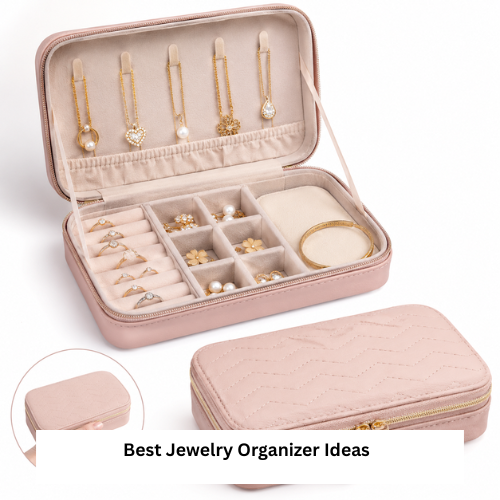
A jewelry organizer helps keep rings, earrings, necklaces, bracelets, watches, and small keepsakes easier to find and safer to store. The right organizer depends on your collection size, jewelry type, drawer space, travel needs, and how often you use each piece.
Good jewelry storage ideas should reduce tangling, scratching, missing pairs, and clutter. Instead of choosing only by style, buyers should check layout, compartments, material, size, safety, and cleaning needs before ordering.
Jewelry Organizer Ideas for Different Collections
A jewelry organizer should match the way your collection is used. Daily pieces need quick access, while special-occasion pieces may need covered storage.
For a small collection, a compact jewelry box or tray may be enough. For larger collections, stackable trays, drawer inserts, necklace stands, and watch cases may work better.
Ring Organizer, Earring Organizer, and Necklace Storage
A ring organizer is useful when you have multiple rings that should stay separated and easy to see. Ring rolls, padded slots, and divided trays can help reduce scratches.
An earring organizer helps keep pairs together. For necklaces, choose hooks, vertical storage, pouches, or separate sections to reduce tangling.
| Organizer Type | Best For | Main Benefit | What to Verify Before Buying |
| Ring tray | Rings and small studs | Easy visibility | Slot size and tray dimensions |
| Earring stand | Studs, hoops, and drops | Keeps pairs together | Hole count and earring style fit |
| Necklace organizer | Chains and pendants | Reduces tangling | Hook spacing and necklace length |
| Drawer organizer | Hidden dresser storage | Keeps surfaces clean | Drawer size and divider layout |
| Jewelry tray | Mixed daily pieces | Flexible organization | Material, depth, and stackability |
| Travel case | Trips and small essentials | Portable protection | Closure, padding, and size |
Earring Organizer Ideas
An earring organizer should match the type of earrings you own. Studs need small holes or divided slots, while hoops and drop earrings may need more vertical space.
Check whether the organizer holds pairs securely and whether it is easy to remove earrings without bending posts or tangling hooks.
Necklace Storage Ideas
Necklace storage should focus on preventing knots. Long chains often need hanging space, while delicate pendants may need separate pockets or padded sections.
If you store necklaces in drawers, use dividers or soft pouches so chains do not twist together. If the product does not clearly show spacing, verify before buying.
Jewelry Tray and Drawer Organizer Tips
A jewelry tray works well inside drawers, on dressers, or inside larger cabinets. Trays make it easier to separate rings, earrings, bracelets, and everyday pieces.
For drawer storage, measure the drawer width, depth, and height before ordering. If you want stackable trays, check whether the trays are designed to stack safely.
You can compare a jewelry tray organizer example if you want to understand common tray-style layouts before choosing your own setup.
Compact Jewelry Box for Small Spaces
A compact jewelry box can help apartment renters, travelers, students, and small-bedroom users manage jewelry without taking up much space.
Choose compact storage only if it still has enough sections for the pieces you actually wear. Too little space can lead to tangling and scratches.
Setup Tips for Better Organization
Group jewelry by type first: rings, earrings, necklaces, bracelets, watches, and keepsakes. Then separate daily-use pieces from special-occasion items.
Keep delicate pieces in softer compartments. Place heavier jewelry away from fragile chains. Avoid overcrowding because it makes even a good organizer harder to use.
Safety, Cleaning, and Care
Keep small jewelry pieces away from babies, toddlers, and pets. Small earrings, rings, clasps, and charms can be choking hazards.
Clean organizers based on their material. Velvet-style trays, acrylic organizers, leather-style cases, and wooden boxes may need different care. If care instructions are missing, verify before buying.
Common Jewelry Organizer Mistakes
Do not buy an organizer without measuring your drawer, shelf, or dresser. A useful organizer must fit your space and your jewelry.
Do not choose only open storage if you live in a dusty area or need protection for delicate items. Do not store all pieces together in one large compartment.
Troubleshooting Jewelry Clutter
If rings get lost, use a dedicated ring tray. If earrings separate, use a stand or divided box. If necklaces tangle, switch to hooks, pouches, or vertical storage.
If your organizer becomes crowded, remove pieces you do not wear often and store them separately. A smaller daily organizer can work better than one overcrowded large box.
Practical Buying Checklist
- Count rings, earrings, necklaces, bracelets, watches, and keepsakes.
- Measure drawer, dresser, shelf, or travel-bag space.
- Choose sections that match your jewelry type.
- Check material, lining, dividers, closures, and tray depth.
- Verify necklace spacing and ring slot size.
- Review child and pet safety for small pieces.
- Check cleaning and care instructions.
- Review return policy, delivery, warranty, and support.
- Confirm replacement trays or parts if needed.
- Verify before buying if size, material, or layout details are unclear.
Conclusion
The best jewelry organizer should make your collection easier to see, safer to store, and simpler to use every day. Match the organizer to your rings, earrings, necklaces, drawer space, travel needs, and cleaning habits before ordering.
FAQ
What is the best jewelry organizer for small spaces?
A compact jewelry box, drawer tray, or travel case can work well. Measure your space before buying.
How do I organize rings?
Use ring rolls, divided trays, or padded slots so rings stay separated and easy to see.
What is the best way to store necklaces?
Use hooks, vertical storage, soft pouches, or separated sections to reduce tangling.
How do I keep earrings together?
Use an earring organizer with holes, slots, or small divided sections that keep pairs in one place.
Should I use a jewelry tray or a jewelry box?
Use a tray for quick access and drawer organization. Use a box for covered storage and dust protection.
